
Can You Become a CRNA Without ICU Experience?
Learn whether ICU experience is required for CRNA school, what type of ICU counts, and how much experience competitive applicants typically have.
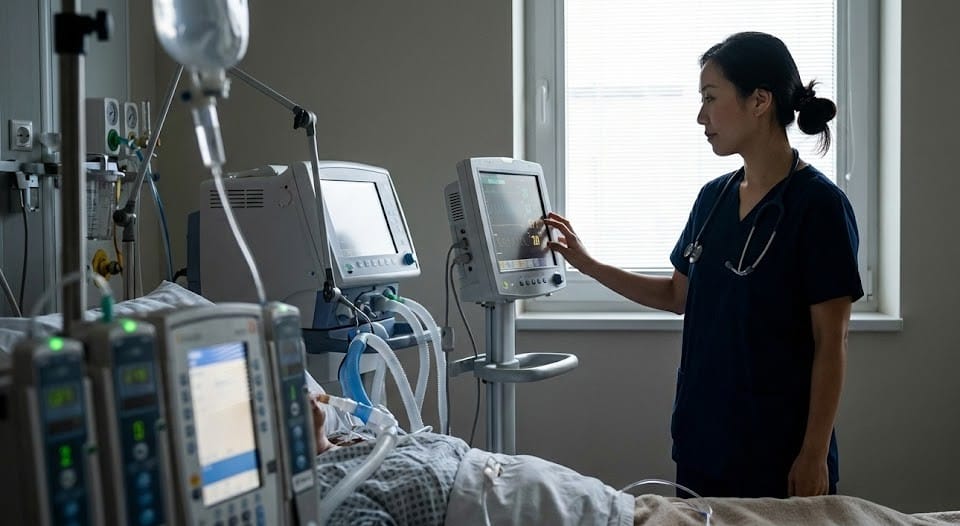
One of the most common questions from prospective applicants is whether it is possible to become a nurse anesthetist without ICU experience. The short answer is straightforward: ICU experience is required for admission to accredited CRNA programs.
However, the details surrounding what qualifies as ICU experience, how much is enough, and why it matters are often misunderstood. This article explains the role ICU experience plays in CRNA admissions, what programs are actually looking for, and why critical care experience is foundational to nurse anesthesia education.
Why ICU Experience Is Required
CRNA programs are designed for nurses who already possess strong clinical judgment in high-acuity environments. ICU experience serves as a proxy for readiness.
In the ICU, nurses develop:
- Advanced patient assessment skills
- Hemodynamic interpretation
- Ventilator management experience
- Comfort with vasoactive medications
- Rapid decision-making under pressure
These skills are directly transferable to anesthesia practice.
Is ICU Experience Mandatory for CRNA School?
Yes. All accredited CRNA programs require ICU experience prior to matriculation.
Most programs specify:
- Minimum: 1 year of full-time ICU experience
- Competitive applicants: 2–3 years of high-acuity ICU experience
Applicants without ICU experience are not considered competitive, regardless of GPA or other credentials.
What Counts as ICU Experience?
Not all critical care units are viewed equally.
Units Commonly Accepted
- Medical ICU (MICU)
- Surgical ICU (SICU)
- Cardiovascular ICU (CVICU)
- Trauma ICU
- Neuro ICU
Units That May Be Questioned
- Step-down or intermediate care units
- Progressive care units
- Emergency departments (without ICU crossover)
- PACU (in most cases)
Programs prioritize continuous management of critically ill patients, not episodic exposure.
Why Some ICUs Are Viewed More Favorably
High-acuity units provide deeper exposure to:
- Invasive monitoring
- Titration of vasoactive drips
- Mechanical ventilation strategies
- Rapid physiologic changes
For example, CVICU and SICU experience often strengthens applications because of frequent exposure to complex physiology and invasive lines. That said, strong experience in a MICU or trauma ICU can be equally competitive when acuity is high.
Does the Type of ICU Matter More Than the Length?
Both matter, but acuity matters more than unit name.
Two years in a low-acuity ICU may be less competitive than one year in a high-acuity ICU. Programs evaluate:
- Patient complexity
- Independence in managing drips and ventilators
- Exposure to unstable physiology
Applicants should be prepared to explain their ICU environment clearly during interviews.
What If You Have Non-ICU Critical Care Experience?
Some applicants come from backgrounds such as:
- Emergency nursing
- PACU
- Flight nursing
While these roles involve high-level skills, they do not replace ICU experience for CRNA admissions. In some cases, programs may accept combined experience, but applicants are almost always required to complete dedicated ICU time.
Why Programs Are Strict About ICU Experience
CRNA education assumes students already understand:
- Critical illness
- Pharmacologic titration
- Complex monitoring
- Clinical prioritization
Without ICU experience, students are at significantly higher risk of academic and clinical difficulty. ICU experience helps reduce attrition and supports patient safety during training.
How Much ICU Experience Is Enough?
While one year may meet minimum requirements, most successful applicants have:
- 2 or more years of ICU experience
- Exposure to high-acuity patients
- Strong letters of recommendation from ICU leadership
More experience does not guarantee acceptance, but insufficient experience is a common reason for rejection.
Can ICU Experience Compensate for Other Weak Areas?
Strong ICU experience can help offset:
- Lower GPA (to a degree)
- Limited shadowing
- Weaker early academic performance
However, ICU experience alone does not guarantee acceptance. Competitive applications balance clinical experience, academics, and preparation.
How to Strengthen Your ICU Profile
Applicants preparing for CRNA school should:
- Seek higher-acuity assignments
- Become comfortable with advanced drips and ventilators
- Pursue CCRN certification
- Build strong professional relationships for recommendations
Intentional ICU growth is far more valuable than simply accumulating time.
Where This Information Comes From
The guidance in this article is based on:
- Published admission requirements from accredited CRNA programs
- Nurse anesthesia program handbooks
- Common admissions trends across multiple application cycles
- Patterns observed among accepted applicants
Wise CRNA emphasizes program standards and real-world admissions practices, not exceptions.
Final Thoughts
ICU experience is not a formality—it is foundational.
Becoming a nurse anesthetist without ICU experience is not realistic under current educational standards. However, understanding what kind of ICU experience matters and how to strengthen it allows applicants to prepare strategically rather than reactively.
Wise CRNA exists to provide clarity, realism, and informed guidance throughout the CRNA journey.